
Fight for glory. Fight for survival. Fight for The Cabal.
Bloodblade Fight Club is a dark, story-driven, subscription-based fighting game universe that blends brutal tournament combat with deeper worldbuilding and character arcs. At its core, it follows a deadly, invite-only competition run by a shadowy network of elites known as the Cabal, where fighters from all over the world- and beyond- are pulled in to settle scores, chase power, or simply survive. The project spans novels, cinematic fight galleries, character bios, and ongoing lore codex entries, all tied together into one evolving narrative. It’s gritty, violent, and unapologetically intense, but it’s also about the people inside the chaos- their motives, their breaking points, and what they’re willing to become when there’s no way out but through.
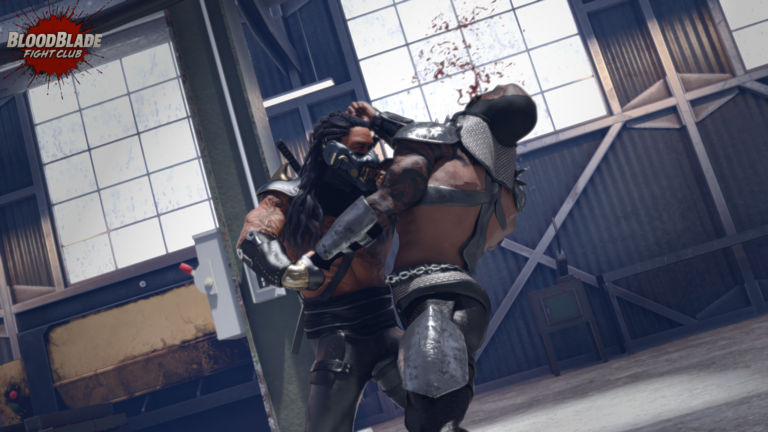
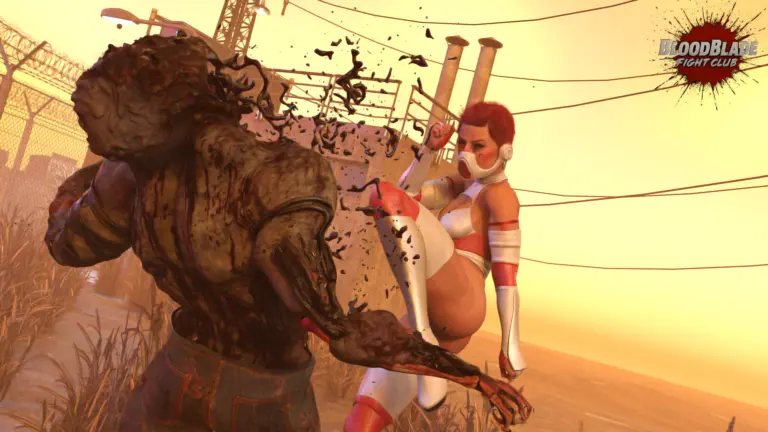
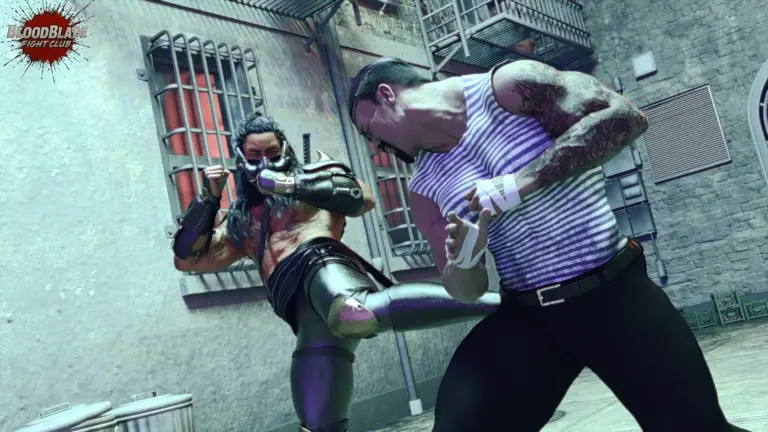
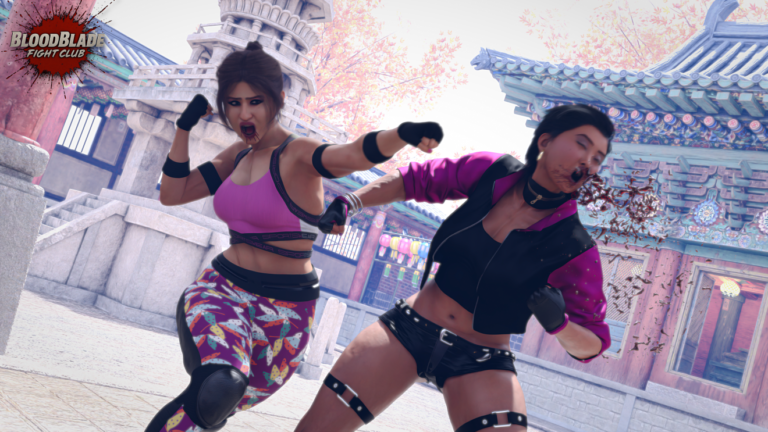
The project brings its fights to life through detailed 3D illustration, creating cinematic fight galleries and animations that play out like scenes from a brutal, story-driven tournament. Each matchup is part of an ongoing bracket system where followers and subscribers actively shape what happens next- voting on who faces who, who wins, and who gets eliminated. As the tournament progresses, winners advance through the brackets into semifinals and finals, until a single champion remains to face the Cabal’s demonic enforcer, Belial. Along the way, subscribers can sponsor their favorite fighters and receive stat cards that track their abilities and progression, adding another layer of investment to the outcome. The experience is tiered to give fans different levels of control and access. Level One subscribers get access to the core content- lore entries and full fight galleries- while Level Two unlocks deeper involvement, including voting on brackets, winners, and losers, as well as access to Finisher Theater, where they can view executions that end each match. Level Three takes it a step further, allowing subscribers to decide the final outcome of fights by choosing the executions or knockouts themselves, effectively determining each fighter’s fate. They also receive a 20% discount on commissions, giving them direct influence over custom content.
The characters aren’t just thrown together. They’re built with a real focus on culture, history, and identity. Each fighter is designed with research behind them, pulling from their background in a way that feels grounded and respectful, whether that means incorporating real-world traditions, belief systems, or historical context into their story. The roster is intentionally global, with fighters representing different regions, religions, and lived experiences, and those elements shape how each character thinks, fights, and reacts to the world around them.
At the same time, Bloodblade isn’t limited to one place or era. Some fighters come from the distant past, others from speculative futures, and some even from worlds beyond Earth, while others are rooted in a gritty, modern-day reality. Despite those differences, they’re all pulled into the same nightmare: the Cabal’s tournament. Every character has a personal reason for being there- revenge, survival, ideology, justice, desperation- and each one is forced to confront the psychological toll of what the tournament really is. The violence, the pressure, the loss… it hits everyone differently, and part of the story is watching how each fighter copes, breaks, adapts, or hardens in response to it. As the project continues to grow, Bloodblade Fight Club follows a steady, evolving workflow that keeps the world moving. Each month brings new fight galleries that advance the tournament, along with Finisher Theater entries, render packs showcasing alternate outfits and designs, and narrative scene renders that highlight key moments from the books. On top of that, Codex entries dig deeper into the philosophy, geopolitics, and psychological makeup of the world and its characters, giving context to what’s happening beyond the fights themselves. It’s meant to feel like a living universe, not just a series of disconnected matchups.
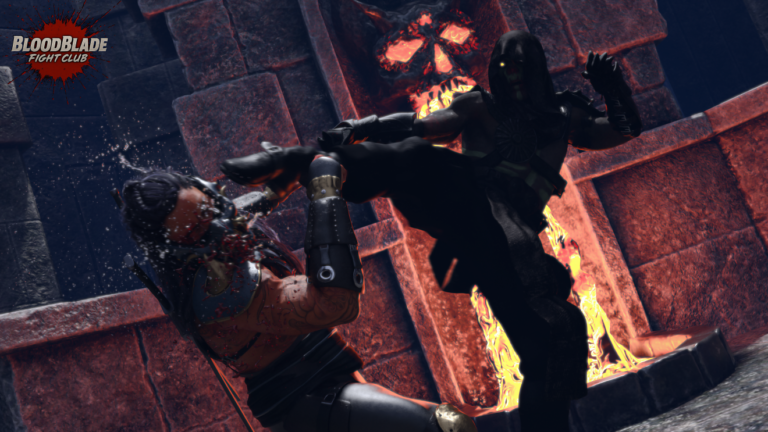
Finisher Theater is Bloodblade Fight Club's growing collection of signature finishers, stage deaths, and other brutal ways for the roster to meet their end. Some are part of the official Bloodblade storyline, while others draw inspiration from horror movies, pop culture, classic fighting games, and whatever else gives us a good idea for a memorable kill. Some finishers are character-specific signature moves, built around a fighter’s weapons, powers, personality, or background. Others are stage finishers, where the arena itself becomes the weapon. Some are quick and vicious, while others are longer, more elaborate sequences built around dark humor, horror, spectacle, or pure absurdity. Not every finisher takes itself seriously, either- BBFC has always had one foot in the over-the-top arcade violence of the ’90s. There are 3-5 new finishers add every month, often more, so the collection is always expanding with new characters, matchups, and increasingly ridiculous ways to die. Subscribers can also get involved through the BBFC forum, where you can pitch your own finisher ideas and suggest who you’d like to see on either end of them- your idea might become a future Finisher Theater release.
A big part of this approach comes from a reaction to how modern fighting games have become increasingly corporate and formulaic; where characters start to blur together and lose what made them distinct in the first place. Bloodblade pushes in the opposite direction. By grounding fighters in psychological trauma, personality, cultural tradition, and real-world historical and political influences, each character is built around clear, believable motivations that actually drive their actions. The fights aren’t just spectacle. They mean something. The goal is to take the classic fighting game concept and make it feel personal, raw, and compelling in a way that sticks with you. That said, viewer and reader discretion is strongly advised. Bloodblade Fight Club doesn’t shy away from heavy material. The world of Bloodblade touches on real and often uncomfortable themes like war, trafficking, entropy, the criminal underworld, political corruption, abuse of power, addiction, and elements of existential horror, along with strands of occultism and conspiracy. It’s meant to push boundaries and sit in that uneasy space where things feel a little too real. That edge gives the universe a sense of danger and unpredictability that’s often missing today, but it’s not there just for shock; it’s there to make you think. Beneath the violence and spectacle, Bloodblade is asking bigger questions about power, control, and the systems that shape our world. As Rucker Jones puts it in Bloodblade Fight Club: Reckoning : “Who are the elites that control us?” The project uses its dystopian setting as a lens, pushing readers to reflect on those kinds of questions for themselves. It’s not just about who wins a fight- it’s about what kind of world would create a place like this in the first place, and how close to that world we might actually be.